






 Cart (9)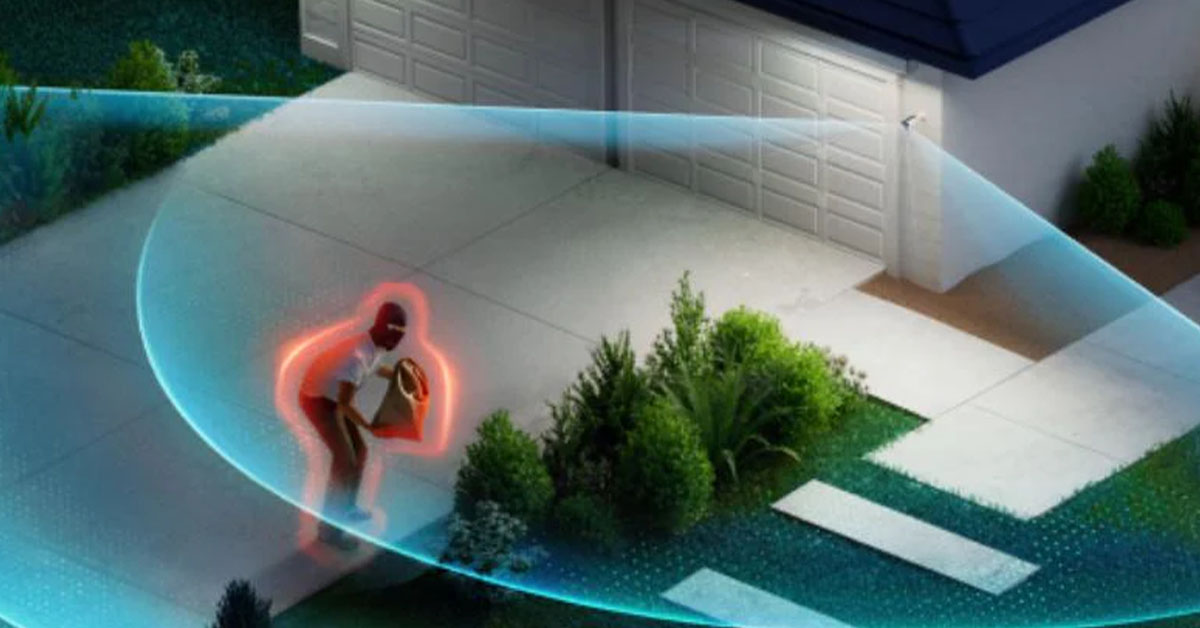
Common Home Security Blind Spots Most People Overlook
January 20, 2026
Common Home Security Blind Spots Most People Overlook
Home security is often thought of as protecting your main door and locks and setting up an alarm system. But while this is an important starting point, a home may have multiple vulnerable areas that are overlooked during routine inspections. The existence of these types of “blind spots” increase the risk for all homes regardless of how secure the home’s exterior is.
By taking time to identify and address these areas, you can greatly increase your overall level of home security.
1. Secondary Entry Points and Rear Entrances
Many owners spend time protecting their primary entrance, but neglecting the entry through a back door, rear balcony door, or side door is a common mistake. Because these doors are not usually visible from the street, they are a popular choice for an intruder to enter a residence without being seen. Unmonitored back doors and/or balcony doors leave your home vulnerable to break-ins.
Adding door sensors (and linking to a monitored alarm system) at any secondary entrance offers you protection on every entry to your home, not just your front door.
2. Corridors and Hallways
Like hallways and corridors join all of the different sections of a home, they provide movement routes between them. Surprisingly, most homes do not monitor their hallways. Once an intruder has gained access through a window or secondary entrance, he/she is almost always able to move through the house to the rest of the house using the corridor or hallway as a way to move undetected.
Placing motion detectors in corridors and passageways will let you know if there’s any unusual activity, allowing you to potentially respond before the intruder reaches your private space.
3. Stairways
Stairways typically have limited visibility of foot traffic, but stairways are fantastic locations to place a motion detector. Stairways provide a clear viewpoint for detecting human movement; it is very common for someone to be going up or down a stairway late at night or early morning that has no business being in that area.
The stairway is one of the areas of your house where people will move between floors and maintain your home’s security information system. By having a way to monitor the stairway, you will have the ability to detect people moving between the upper and lower levels of your house.
4. Rooms Where Valuables Are Located
Bedrooms, home offices, or storage rooms that have valuable items stored in them usually are left unmonitored. An intruder can enter and exit the house without detection if the intruder is allowed to enter the home.
The installation of motion detectors close to those areas of your home where valuables are located will help provide early detection of movement so that losses or damages can be limited.
5. Kitchen/Utility Areas
Kitchens are considered a high-risk area for home intrusion, but they are also a highly dangerous area for fires. Many home security systems do not have any smoke or heat detectors in the kitchen or in utility areas.
Smoke or heat detectors in the kitchen or in the utility area provide an early warning of potential fire hazards before they can cause significant damage or spread to other parts of the home.
If smoke or heat is detected in the kitchen or in a utility area of the house, it will trigger the monitored alarm system to immediately send out an alert so that action can be taken even when no one is at home.
6. When the Home is Occupied
Timing is another blind spot in home security. Just because you’re home doesn’t mean that you shouldn’t arm your system. There can be a risk during the day if the home isn’t properly secured.
Modern home security systems allow selective arming. This means that while you are still inside your home, certain areas can still be monitored.
Why Monitoring Matters
Blind spots are dangerous when no one is watching. When there is a monitored security solution in place, whenever a sensor is activated—whether it’s a door, or a motion detector, or a smoke detector—a monitoring professional is notified immediately. This means faster response times and a decrease in the chance of a situation escalating.
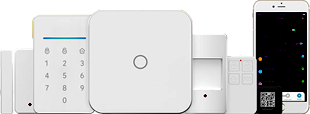
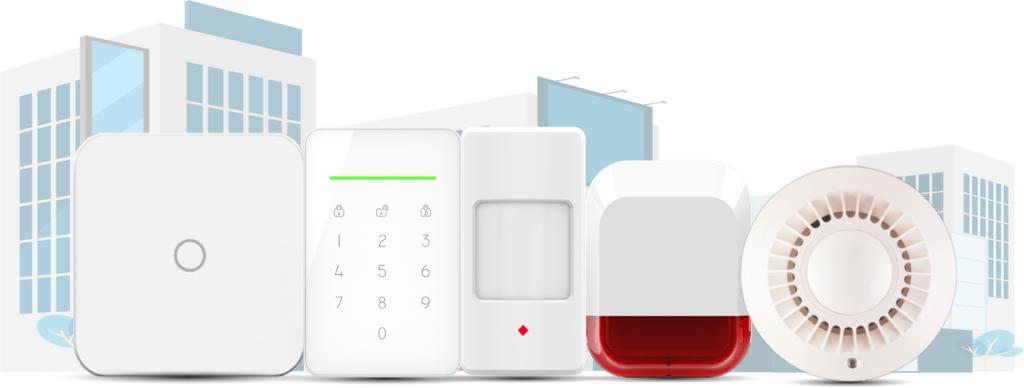
DFS provides monitored home security alarm systems that cover all of the common blind spots using motion detectors, door sensors, and smoke detectors that are monitored 24/7.
The goal of home security is not just to install an alarm system. It’s also to consider those areas of your home that you aren’t typically thinking of. By addressing those areas and choosing to use a monitored security solution, you can significantly strengthen the safety of your home. Connect with your team if you’ve doubts about the working, details of the system, services and more.